Thinking about selling your Escondido home but unsure when to list? Timing is one of the biggest levers you control, and it plays directly into how fast you sell and how strong your offers are. You want a plan that blends the local market rhythm with the right pricing and prep so you launch with confidence.
In this guide, you’ll learn the best windows to list in Escondido, how days on market shift through the year, what school-year timing means for buyer demand, and how to align staging and pricing with your chosen month. You’ll also get clear timelines for selling in 3, 6, or 9 months. Let’s dive in.
Escondido’s market rhythm
Escondido follows a familiar Southern California pattern with milder ups and downs compared to colder regions. The Mediterranean climate keeps buyers active most of the year, but certain months still outperform others for showings and offer activity.
Spring and early summer lead
Buyer traffic and listings typically peak from March through June. Inventory rises, and motivated buyers follow, which can shorten days on market and increase the odds of multiple offers. If your timeline is flexible, this is often the best overall window for both speed and price strength.
Early fall as the next-best window
September and October often bring a second wave of steady demand. Many buyers who paused over summer return to the market, and job relocations can push new move timelines. If spring is not an option, early fall can still deliver solid results with the right pricing and presentation.
Winter requires strategy
From late November through February, listings and showings typically slow. Holiday schedules and fewer new listings thin out activity. Well-prepared homes still sell, but you should lean into thoughtful pricing and standout marketing to compete effectively.
Days on market: why timing matters
Days on market (DOM) usually shortens when buyer activity is strongest and lengthens when traffic slows. In Escondido, DOM is often at its lowest in spring and early summer, then tends to rise into late fall and winter.
The first 2 to 3 weeks are critical
Most meaningful activity happens in the first 10 to 21 days. That is when you see the highest showings, early offers, and price discovery. If you do not receive solid interest in that window, consider a strategic refresh. Options include a price adjustment, updated photography, improved staging, or new marketing placements.
Local features that speed up sales
- Proximity to I-15, historic downtown, and newer corridors can improve convenience appeal.
- Move-up single-family homes and well-kept mid-century properties in desirable areas tend to draw more buyers quickly.
- Outdoor amenities such as patios, yards, and pools are high-value features in Escondido’s climate and can shorten DOM when showcased well.
School-year timing and buyer behavior
Families often time moves around the school calendar, which shapes when they shop and write offers.
List to close in summer
If your likely buyer includes families, try to list 6 to 12 weeks before your ideal closing date, aiming for June to August move-ins. For most sellers, that means listing in April through June to capture demand from families seeking a summer transition. Always verify specific district calendars if you plan to reference timing in your marketing.
If your buyers are not families
If your target buyer is a commuter, retiree, or investor, school-year timing may matter less. Transfers and job cycles often pick up in late spring and early summer. Retirees might prefer quieter times of year. Investors look for numbers that work and are less sensitive to the season.
Price and prep to match the season
Your launch strategy should align with your chosen month. Pricing at market value and presenting your home at its best can create early momentum and better outcomes.
Pricing plays that work
- Price at market value using recent nearby comparables from the last 30 to 90 days. This attracts more qualified buyers early.
- Consider slightly under-market pricing in a strong, low-inventory spring to spark multiple offers.
- In slower seasons, aggressive pricing is riskier. If you hold firm on price, increase emphasis on presentation and marketing to justify value.
- Compare against both recent sales and the same seasonal period last year when possible, since seasonality affects pricing and DOM.
Staging that highlights outdoor living
- Focus on indoor-outdoor flow. Stage patios and yards with simple, livable setups that show how the space is used.
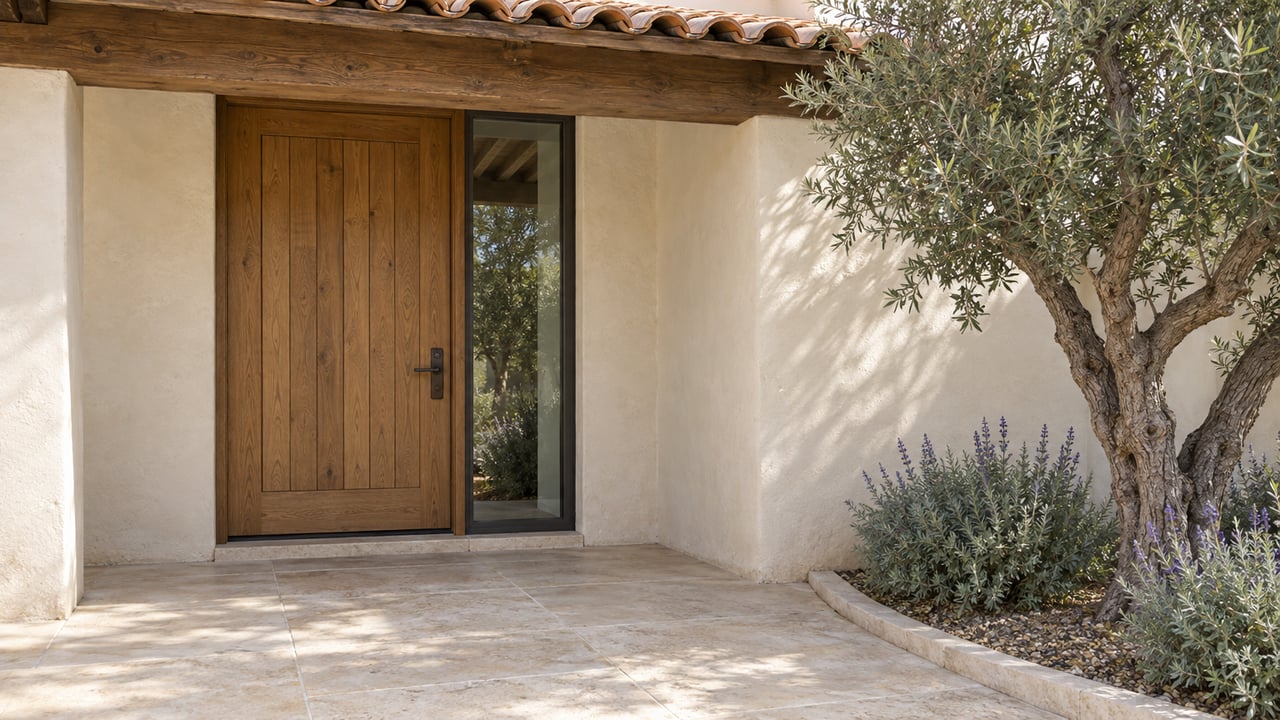
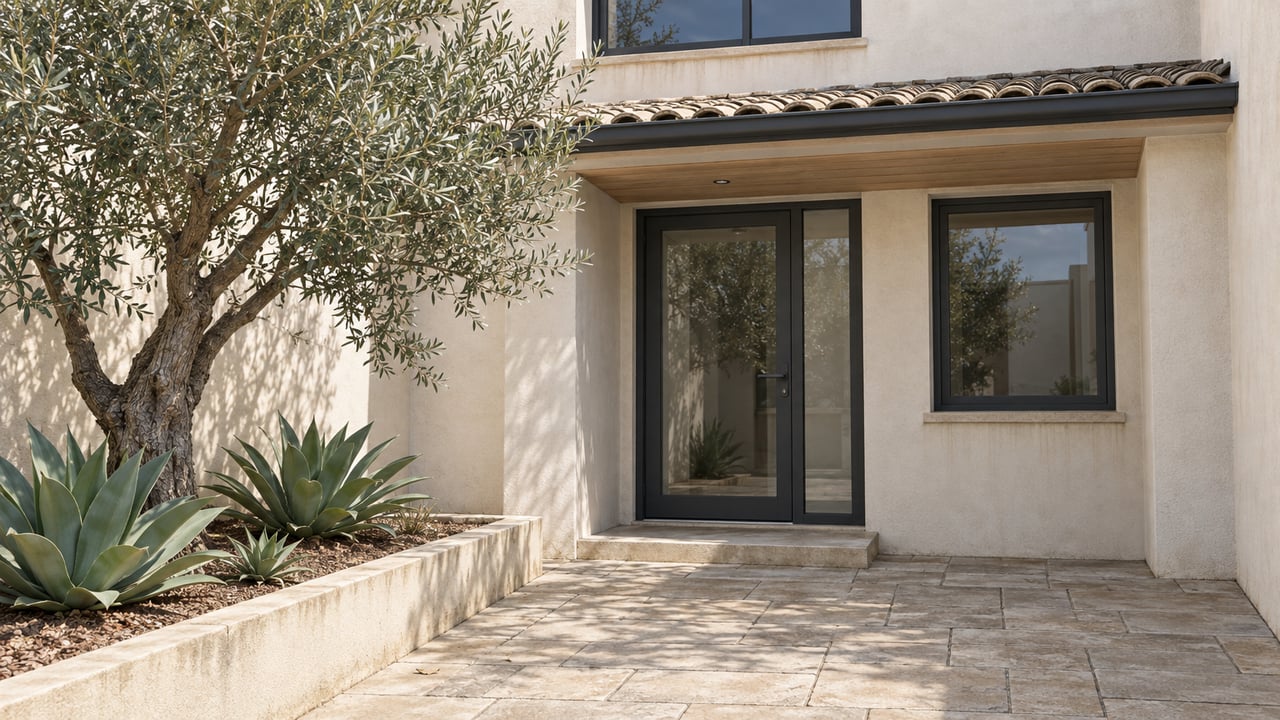
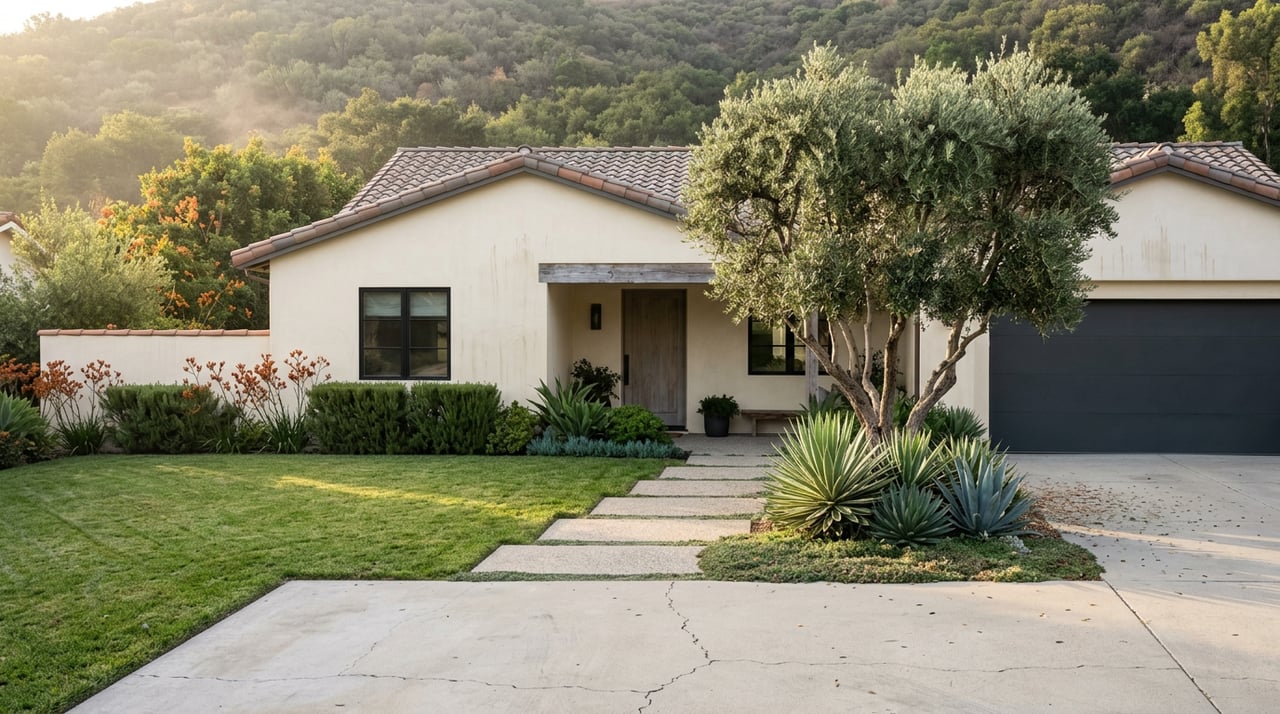
- Refresh curb appeal with drought-tolerant landscaping, a clean entry, updated paint on the front door, and evening lighting.
- Inside, declutter and neutralize bold colors. Define flexible spaces like a home office or guest room so buyers can picture their daily life.
- Invest in professional visuals. High-quality photography, twilight images, 3D tours, and clear, benefit-focused descriptions help your home stand out, especially during spring when buyers begin their search online.
- Consider pre-listing inspections and organized disclosures to reduce renegotiation risk and shorten escrow.
Repairs and improvements by timeline
- 3 months out: Complete cosmetic updates, deep clean, declutter, and stage. Tackle minor repairs and book photography. Align pricing using fresh comps.
- 4 to 6 months out: Tackle mid-level improvements such as a kitchen refresh, new flooring, or landscape upgrades. You still have time to aim for a spring or early summer launch.
- 6 to 9 months out: Only pursue larger projects if the return justifies the cost and time. If not, consider listing as-is and pricing accordingly.
Practical timelines for 3, 6, or 9 months
Use these as high-level roadmaps and adjust to your calendar and property condition.
If you plan to sell in about 3 months
- Week 0 to 2: Choose a local Escondido agent, request a comparative market analysis, and set your pricing strategy.
- Week 2 to 4: Declutter, deep clean, handle minor repairs, stage, and complete professional photos.
- Week 4 to 8: List during a strategic window, host showings and open houses, and monitor buyer feedback.
- Week 8 to 12: Review offers, negotiate, and align closing with your move timeline. If targeting families, aim for a summer close when possible.
If you plan to sell in about 6 months
- Months 1 to 2: Interview agents, order a pre-listing inspection, and identify the highest ROI updates.
- Months 3 to 4: Complete prioritized improvements and verify school calendars if family buyers are your target.
- Months 5 to 6: Stage, photograph, and list in spring or early summer, or choose early fall based on your schedule.
If you plan to sell in about 9 months
- Use the extra time to plan larger improvements with proven ROI, time your launch to a strong seasonal window, or wait for anticipated neighborhood developments. Avoid over-improving beyond local comparables.
Who is shopping when?
Different buyer groups are more active at different times. Tailor your plan to the segment most likely to buy your home.
- Families: Heaviest in late spring into summer to align with school-year changes.
- Commuters: Active year-round, with transfers often in late spring and early summer.
- Retirees and downsizers: Less tied to the school year and may focus on quieter seasons.
- Investors: Guided by yield and inventory, with less sensitivity to seasonality.
Decide your best month
Use this quick framework to choose your optimal listing window and plan your launch.
- Define your target buyer. Is it families, commuters, retirees, or investors?
- Map your move-backward timeline. Pick your ideal close date, then count back 6 to 12 weeks for listing.
- Align with seasonal strengths. Spring and early summer usually offer the best mix of traffic and speed, with early fall a strong alternative.
- Match pricing to the season. Use recent comps and avoid overpricing, especially in slower months.
- Prep the home that buyers want. Lean into outdoor living, strong visuals, and organized disclosures to make the decision easy.
- Monitor the first 2 to 3 weeks. If activity lags, adjust quickly with price or presentation changes.
Ready to talk timing?
Choosing the right month is only half the story. How you price, prepare, and market in those first few weeks is what turns interest into your best result. If you want a tailored plan for your property and timeline, reach out to The Malkiewicz Team. We combine local expertise, professional listing marketing, and streamlined transaction support to help you sell with confidence.
FAQs
Is spring always the best time to sell in Escondido?
- Spring and early summer generally bring the most buyer traffic and shorter days on market, but well-priced, well-marketed homes can sell quickly year-round.
How far ahead should I list if I want a summer closing?
- Plan to list 6 to 12 weeks before your target close date, which for June to August move-ins usually means listing in April through June.
What if I need to sell in winter?
- You can still succeed by pricing carefully, elevating staging and photography, and responding quickly to market feedback during the first 2 to 3 weeks.
Do I need to finish big renovations before listing?
- Only if the project has a strong return and will not push your launch into a slower season; otherwise focus on high-ROI updates or price relative to condition.
How important are schools to my sale timing?
- Schools matter for family buyers. Listing to close in summer can expand that buyer pool. Verify local district calendars and boundaries before marketing school-related details.