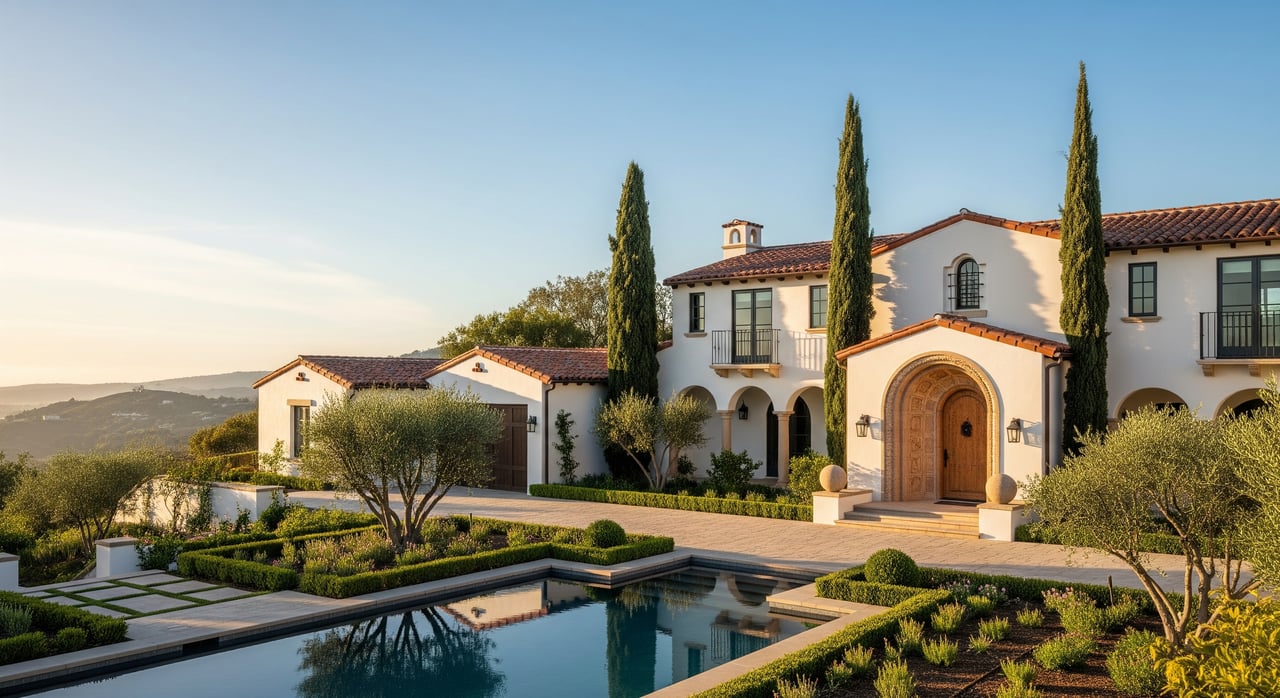
Shopping for a home in Rancho Santa Fe and wondering if you’ll need a jumbo loan? You’re not alone. In this luxury micro-market, many properties sit above standard limits, and financing can feel more complex than a typical suburban purchase. In this guide, you’ll learn how jumbo loans work in San Diego County, what lenders look for, how appraisals and insurance can impact your timeline, and how to structure a stronger offer. Let’s dive in.
What makes a loan “jumbo” in Rancho Santa Fe
A loan is considered jumbo when it exceeds the conforming loan limit set by the Federal Housing Finance Agency for the county and year. Because limits change annually and differ by property type, you should verify the current San Diego County threshold before you estimate financing. If your loan amount is above the limit, you’re shopping in the jumbo space.
Rancho Santa Fe is a high-end, low-density market with many custom homes. Sale prices often exceed conforming limits, which means jumbo underwriting is common. This local context matters because unique properties and fewer close comparables can affect valuation, turn times, and negotiation.
Jumbo loan options you’ll see in North County
Several jumbo products show up repeatedly in high-end Southern California purchases. Your choice depends on your income profile, assets, and the property itself.
- Conventional jumbos that exceed conforming limits and are sold to private-label investors
- Portfolio loans from local or private banks that hold the loan and can underwrite more flexibly
- Bank-statement or stated-income programs for self-employed or 1099 borrowers
- Non-QM or alternative documentation loans for complex income scenarios
- Private bank or wealth-management jumbo programs with relationship pricing for high-net-worth clients
Lenders also categorize by occupancy and property type. Primary residences often get the most favorable terms, while second homes or investment properties can require larger down payments. For acreage, guest houses, or equestrian facilities common in Rancho Santa Fe, portfolio lenders familiar with luxury appraisals may be a better fit.
Down payment, credit and reserves to expect
Jumbo loans generally require stronger borrower profiles than conforming loans. Plan for the following ranges and talk with your lender about specifics.
- Credit score: Top-tier pricing typically favors strong credit, often in the 720–760+ range. Many lenders will consider high 600s at higher costs or with stricter terms.
- Down payment and LTV: For primary homes, some programs allow 10–20% down, though 20% or more often unlocks better pricing. Second homes or investment properties commonly require 20–30% or higher. Ultra-jumbo amounts can push requirements higher or toward portfolio lenders.
- Cash reserves: Expect to show multiple months of PITI (principal, interest, taxes, insurance). Six to twelve months is common for primary residences, and second homes or investments often require 12 months or more. Larger loans or riskier profiles may need 12–24 months.
- Debt-to-income (DTI): Many jumbo lenders consider DTI up to about 43–50% with strong compensating factors, such as high liquid assets and robust residual income. Some portfolio lenders may go higher.
Your jumbo documentation checklist
Clean documentation speeds up underwriting. Gather and organize these items early.
- Personal: Government ID and Social Security number
- Income: Two years of tax returns; W-2s and recent pay stubs for salaried income; for self-employed, business tax returns, profit and loss statements, 1099s, and K-1s
- Assets: Recent bank, brokerage, and retirement statements; documentation for required reserves
- Gifts: Signed gift letter and donor statements if applicable
- Explanations: Letters for large deposits, gaps in employment, or credit inquiries
- Property: Signed purchase contract, HOA documents if applicable, and an insurance binder or quote; specialized quotes if wildfire or flood coverage is needed
Organizing these items upfront can shave days off your timeline and reduce back-and-forth with underwriting.
Appraisals in Rancho Santa Fe: what to expect
Appraisals can take longer in Rancho Santa Fe. Luxury properties often lack close, recent comparables. Appraisers may need to expand the radius or time frame or use cost or income methods in addition to comparable sales.
- Lender expectations: Many lenders insist on appraisers with luxury experience. Some also order supplemental reviews or broker price opinions to validate value on unique estates.
- Appraisal gap planning: When competition is strong, consider an appraisal gap clause or pre-negotiated coverage above appraised value. Balance this with risk and legal guidance, and align with your lender.
- Timing: Expect longer turn times during busy seasons. Ordering early, when possible, and preparing property details for the appraiser can help.
Rates, points and total cost
Jumbo loans price differently than conforming loans because they are not sold to the standard agencies. Rates depend on investor appetite and lender liquidity, so they can be higher, similar, or occasionally lower than conforming at different times.
- Pricing drivers: Your base rate is influenced by credit, LTV, DTI, property type, occupancy, and loan amount. Ultra-jumbos and investment properties often price higher.
- Points and buydowns: You can pay points to lower your rate. In negotiations, a seller credit can also fund a temporary or permanent buydown if a price reduction is not feasible.
- Closing costs: Expect higher appraisal fees for luxury or acreage properties. You may also need specialized reports, like surveys or septic evaluations. Many jumbo programs do not use private mortgage insurance, and instead rely on higher down payments and reserves.
Insurance, title and property nuances
Property characteristics in Rancho Santa Fe can affect affordability and underwriting.
- Wildfire considerations: Lenders require adequate homeowners insurance, and some may request documentation of fire mitigation. Availability and premiums matter for your debt ratios and cash-to-close.
- Flood and other hazards: Confirm any flood zone exposure and required flood insurance. Some properties near creeks or low-lying areas may need additional coverage.
- Title and restrictions: Large estates can include easements, historical designations, or unique covenants. Build review time into your timeline for any HOA documents or CC&Rs.
Timelines and how to keep them tight
Fully documented jumbo loans often take longer to close than conforming. A 30–45 day window from application to close is common, especially when appraisals and insurance are complex. You can shorten that window with preparation.
- Common delays: Appraisal turn times, verifying large asset transfers or gifts, HOA or CC&R reviews, and insurance issuance are frequent friction points.
- How to mitigate: Pre-underwrite before you write offers. If the seller allows, order the appraisal early. Engage your insurance broker early for quotes. Keep documentation tight for any large deposits or business income.
How to craft a stronger offer with jumbo financing
In a competitive Rancho Santa Fe setting, aligning with the right lender and structuring your offer strategically can make a real difference.
- Pre-underwrite, not just prequalify: Get tax returns, assets, and credit reviewed in advance. Ask for a conditional loan approval that clearly states remaining conditions.
- Consider a local or portfolio lender: Lenders who regularly finance luxury San Diego County properties and understand Rancho Santa Fe appraisals can move faster and offer pragmatic solutions.
- Show liquidity and reserves: Provide recent statements demonstrating required PITI reserves and any funds for appraisal-gap coverage.
- Explore bridge or short-term portfolio options: If timing or a contingent sale is involved, a bridge loan can help you write a stronger, cleaner offer.
- Balance contingencies: Discuss whether to limit a loan contingency, include an appraisal gap clause, or propose larger earnest money. Weigh the risk carefully with your agent and lender.
- Negotiate credits: If price movement is limited, a seller credit for closing costs or a rate buydown can improve your monthly payment.
- Prove speed: Ask your lender to state closing capability in a letter, including a realistic timeframe based on your pre-underwrite status.
Step-by-step jumbo prep for Rancho Santa Fe buyers
Follow this simple sequence to stay ahead of the process and reduce surprises.
- Confirm whether your loan amount will be jumbo by checking the current county conforming limit for your property type.
- Choose the right lender fit for your profile, whether conventional jumbo, portfolio, or alternative documentation.
- Complete a full pre-underwrite. Request a conditional approval letter with remaining conditions listed.
- Compile documentation: two years of tax returns, income and asset statements, and letters for any large deposits.
- Stress test reserves and DTI. Plan for 6–12 months of PITI for primary residences and more for second homes or investments.
- Engage insurance early, including wildfire or flood quotes as needed.
- Prepare for appraisal complexity. Share property details with your lender and be open to supplemental reviews if requested.
- Decide on offer strategy: appraisal gap coverage, deposit size, contingency structure, and potential seller credits for a buydown.
- Coordinate title and HOA reviews. Build time in for CC&Rs and any easements or specialized reports.
- Keep communication tight in escrow. Respond quickly to lender or underwriter requests to maintain momentum.
Work with a local team that de-risks your purchase
Buying in Rancho Santa Fe is about more than finding a great home. It’s about aligning your financing, appraisal, insurance, and title work so your deal closes cleanly and on time. Our team pairs a boutique, principal-led approach with reliable systems and trusted lending and title partners to reduce friction. With an on-team transaction coordinator and deep North County experience, we help you prepare a stronger offer and navigate jumbo underwriting with confidence.
If you’re exploring jumbo financing for a Rancho Santa Fe purchase, let’s talk through your options and timeline. Connect with The Malkiewicz Team to plan your next steps.
FAQs
When does a Rancho Santa Fe purchase require a jumbo loan?
- You’ll need a jumbo if your loan amount exceeds the current San Diego County conforming limit for your property type; limits change each year, so verify before you write offers.
How much down payment is typical for a Rancho Santa Fe jumbo?
- Expect 10–30% depending on occupancy, loan size, and lender; many buyers plan for 20% or more to access better pricing.
What credit score helps with the best jumbo pricing?
- Strong credit, often in the 720–760+ range, typically qualifies for better pricing; high 600s may be considered with higher costs or stricter terms.
How long does a jumbo loan usually take to close in San Diego County?
- Plan for 30–45 days from application to closing, though a full pre-underwrite can shorten the timeline.
What if the appraisal comes in low on a unique property?
- Consider an appraisal gap clause or agreed coverage above appraised value, and use appraisers with luxury experience; some lenders may order supplemental reviews.
Are jumbo rates always higher than conforming rates?
- Not always; spreads vary with investor demand and market conditions, and different lenders price based on their funding sources.
What reserves do jumbo lenders typically require?
- Primary residences commonly require 6–12 months of PITI; second homes and investments often require 12 months or more, with larger profiles sometimes needing 12–24 months.
Can self-employed buyers qualify for a jumbo in Rancho Santa Fe?
- Yes; bank-statement or alternative documentation programs are available, but they require extensive bank and business documentation.