Trying to decide between Vista and San Marcos for your next move-up home? That choice can feel surprisingly tricky because both cities give you strong North County access, established neighborhoods, and options for growing into more space. The real difference often comes down to how you want to live day to day, what kind of home style you want, and how much flexibility you need in your budget. Let’s break it down so you can make a more confident move.
Vista vs. San Marcos at a Glance
If you want the simplest version, here it is: Vista often gives you more variety, while San Marcos often gives you more consistency.
Vista has a more mixed housing pattern, with zoning that includes detached single-family lots as small as 6,000 square feet, standard 10,000-square-foot lots, half-acre estate zoning, and some one-acre rural residential areas in the Mar Vista Specific Plan. San Marcos, by contrast, shows more newer, specifically planned growth in places like the Creek District, University District, San Marcos Highlands, and Oakcrest.
For a move-up buyer, that usually means Vista may offer more choice in lot size, home age, and neighborhood feel. San Marcos may feel more standardized in newer communities, with a more master-planned layout and a more predictable neighborhood design.
Home Style and Lot Size Differences
Vista offers more housing variety
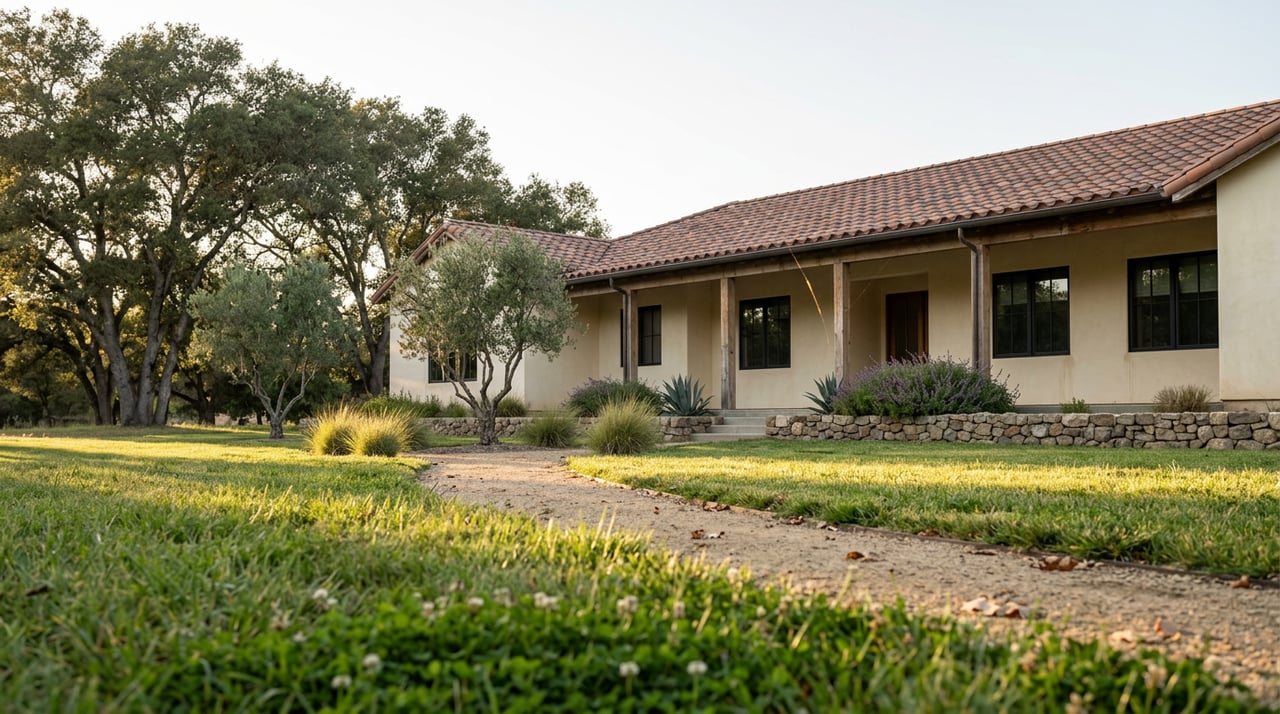
Vista stands out for its range. You can find older suburban single-family homes, larger parcels, and pockets with a more rural residential pattern depending on where you look.
That matters when you are moving up because your priorities may have changed. If you want a bigger yard, more separation between homes, or a property with a less uniform feel, Vista may give you more opportunities to match those goals.
San Marcos leans more master-planned
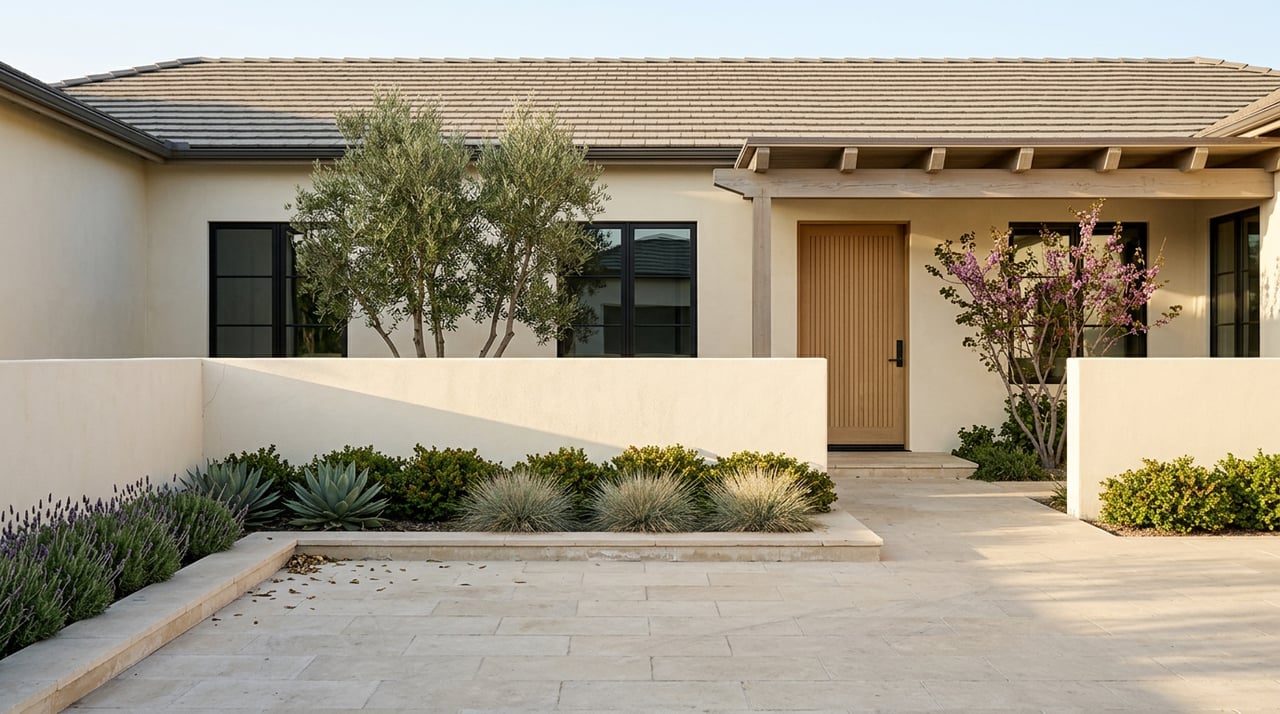
San Marcos has a newer development pipeline that is more tightly planned. Public planning documents point to future residential growth in the Creek District and University District, while communities like San Marcos Highlands and Oakcrest show a more structured approach to lot layouts and open space planning.
If your move-up wish list includes newer construction patterns, more consistent streetscapes, and neighborhoods that feel more intentionally organized, San Marcos may be the better fit. That can be especially appealing if you want a home that feels turnkey and part of a newer residential setting.
Price Comparison for Move-Up Buyers
Price is often one of the biggest tie-breakers in a move-up search.
In the latest city snapshots from Redfin, Vista’s median sale price was $856,000, down 3.8 percent year over year. San Marcos’s median sale price was $925,000, up 2.2 percent year over year.
Census QuickFacts also shows a value gap in owner-occupied housing. Vista’s 2020 to 2024 median value was $762,400, while San Marcos’s was $868,000, a difference of about $105,600.
What those numbers mean for you
San Marcos currently sits at the higher price point and shows a stronger recent appreciation trend. Vista looks slightly more affordable overall, which may create more room in your budget for square footage, lot size, upgrades, or future projects.
That does not automatically make Vista the better value for every buyer. It means you may get a different mix of trade-offs depending on whether your priority is newer planning or broader housing diversity.
Monthly Costs Beyond the Mortgage
Move-up buyers often focus on purchase price first, but monthly carrying costs matter just as much.
San Marcos may have more added community costs
San Marcos uses Community Facilities Districts, often called Mello-Roos, to finance local public facilities and services in some areas, including examples such as San Elijo Hills. Because the city also has a more specific-plan-driven development pattern, newer neighborhoods may be more likely to include HOA-style living and special assessments.
That does not mean every San Marcos home has the same cost structure. It means you should review the exact property carefully so you understand the full monthly picture before you make an offer.
Vista varies more by neighborhood
Vista also has specific plans, but the housing stock is more mixed and includes larger-lot and rural residential pockets. In practice, that usually means monthly fee patterns can vary more from one area to another.
For you as a buyer, the takeaway is simple: in Vista, you may find more homes without the same community-fee profile seen in newer planned neighborhoods. In either city, it is smart to compare the full payment, not just the list price.
Commute and Transportation Access
If your next home needs to support a busy workweek, both cities offer similar big-picture commute numbers.
Vista’s mean travel time to work is 26.7 minutes, while San Marcos’s is 26.5 minutes. That tells you the citywide averages are nearly identical.
Address matters more than city name
The practical difference usually comes down to your exact location. Caltrans identifies SR-78 as the primary east-west travel corridor through Vista and San Marcos, and the NCTD SPRINTER connects Oceanside, Vista, San Marcos, and Escondido across a 22-mile route.
Both cities also have local transit options. NCTD schedules include routes such as BREEZE 304 and BREEZE 332, and San Marcos planning documents reference SPRINTER access points such as the San Marcos Civic Center and CSUSM stations.
If commuting is a major factor, compare homes based on route access, station access, and job corridor convenience, not just the city boundary. A well-placed home in either market can work very well.
School Boundaries Need an Address Check
For many move-up buyers, school planning is part of the conversation. The most helpful thing to know is that district lines do not always match city names.
Vista Unified reported 20,366 enrollment for 2025 to 2026 and notes that its boundaries span Vista, Oceanside, and San Marcos. San Marcos Unified reported 18,588 enrollment for 2025 to 2026 and serves a full network of elementary, middle, high, and alternative programs.
Do not assume by ZIP code or city
Because both districts cross city lines, school assignment should be checked by exact address. That is especially important in border areas, where a Vista address may fall into a cross-city attendance area or a San Marcos address may sit near a district edge.
If school assignment is important in your move, make address-level verification part of your search process early. That helps you avoid narrowing your options based on assumptions that may not hold up property by property.
Which City Fits Your Move-Up Goals?
Choose Vista if you want flexibility
Vista may be the stronger fit if you want:
- More variation in home age and architectural style
- A wider range of lot sizes
- The chance to find larger parcels or less standardized neighborhoods
- A slightly lower median price point
- More pocket-by-pocket variety in housing options
For buyers who want to stretch into more space without moving too far up the price ladder, Vista can be especially appealing.
Choose San Marcos if you want newer planning
San Marcos may be the stronger fit if you want:
- More master-planned neighborhood patterns
- Newer development areas and future planned growth
- More standardized home sites in some communities
- A market currently showing a higher price point and stronger recent appreciation
- A neighborhood experience that may feel more uniform and organized
If you value newer community structure and do not mind that it may come with a higher price ceiling or added monthly costs in some neighborhoods, San Marcos may check more boxes.
A Smart Way to Compare Both
The best move-up decision usually is not Vista or San Marcos in the abstract. It is one specific home, on one specific street, with one specific monthly cost structure and commute pattern.
A smart comparison should include:
- Purchase price
- Lot size and usable outdoor space
- Home age and condition
- HOA or special assessment costs
- Exact commute route
- Exact school assignment by address
- Neighborhood layout and long-term fit for your lifestyle
That kind of side-by-side review often makes the answer much clearer.
If you are weighing Vista against San Marcos for your next chapter, The Malkiewicz Team can help you compare the real trade-offs, narrow the search, and move forward with confidence.
FAQs
Is Vista or San Marcos more affordable for a move-up home?
- Based on the latest Redfin city snapshots, Vista had a median sale price of $856,000 compared with $925,000 in San Marcos, so Vista is currently the lower-priced market overall.
Does San Marcos have more newer neighborhoods than Vista?
- Public planning documents show San Marcos has more specifically planned newer development areas, while Vista has a more mixed housing pattern with wider variation in lot size and home age.
Should you check school boundaries by city name in Vista or San Marcos?
- No. Both Vista Unified and San Marcos Unified serve areas that cross city lines, so school assignment should be verified by exact property address.
Are commute times different between Vista and San Marcos?
- Citywide averages are very close, with Vista at 26.7 minutes and San Marcos at 26.5 minutes, so the exact address usually matters more than the city itself.
Are HOA or Mello-Roos costs more common in San Marcos or Vista?
- San Marcos is more likely to include HOA-style neighborhoods and possible special assessments in newer communities, while Vista tends to vary more by neighborhood and property type.